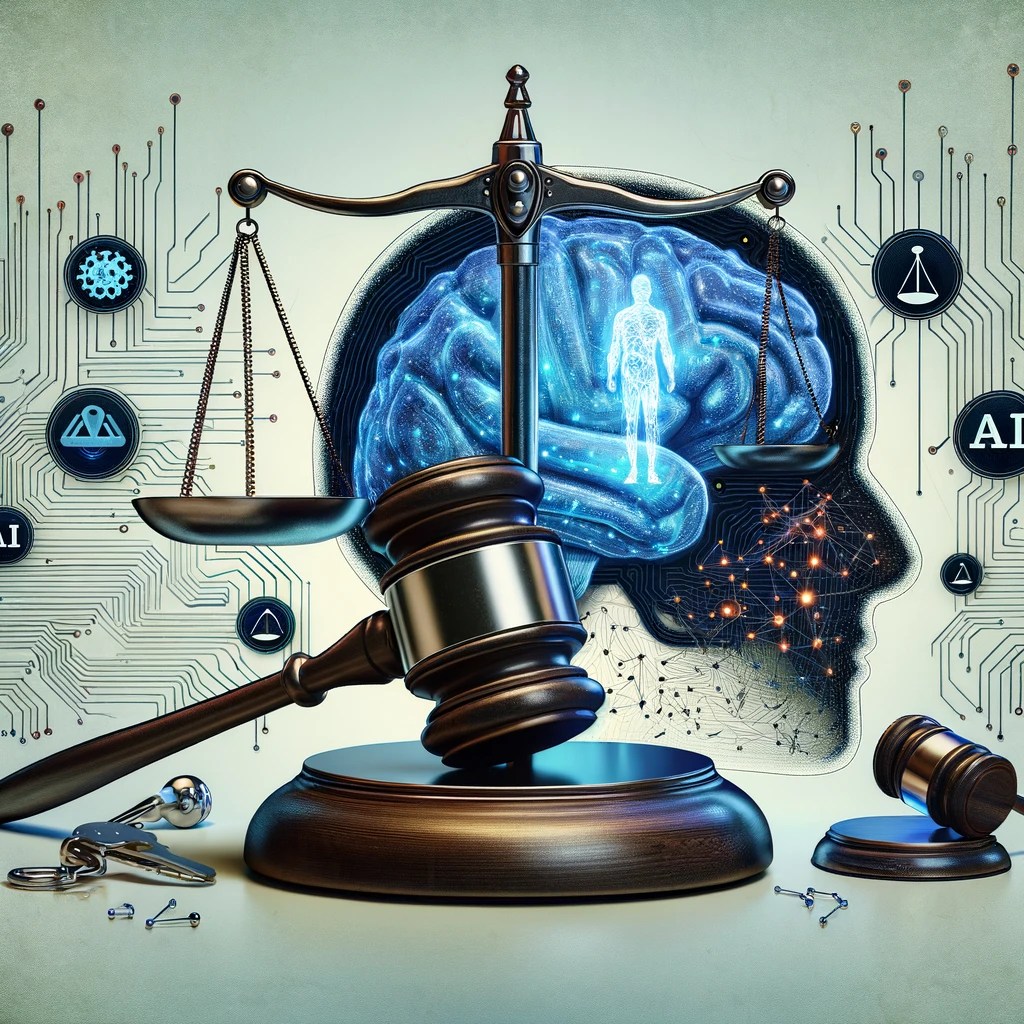
Philips has partnered with SyntheticMR to revolutionize personal injury cases with their AI-based quantitative brain imaging technology, Smart Quant Neuro 3D. This innovative solution integrates Philips’ SmartSpeed image-reconstruction, 3D SyntAc clinical application, and SyntheticMR’s SyMRI NEURO 3D software, offering unprecedented diagnostic capabilities for conditions like multiple sclerosis, traumatic brain injuries, and dementia.
A Promising New Product
The collaboration between Philips and SyntheticMR has led to the development of an AI-based quantitative brain imaging system aimed at improving the diagnosis of neurological disorders like multiple sclerosis, traumatic brain injuries, and dementia. This advanced system combines Philips’ SmartSpeed technology, 3D SyntAc, and SyntheticMR’s SyMRI NEURO software to analyze brain tissues more effectively. This innovation marks a significant advancement in brain imaging, potentially impacting personal injury cases by providing more precise and detailed brain scans that can support diagnoses related to injuries or disorders.

The Smart Quant Neuro 3D Can Help PI Attorneys Prove Injuries in Motor Vehicle Collision and Other Cases
For personal injury (PI) lawyers, the implications are profound. Traditional diagnostic tools often fall short in revealing the full extent of brain injuries, especially mild traumatic brain injuries (mTBI) that are invisible to MRIs and other tests. The Philips-SyntheticMR technology promises to make these “invisible injuries” visible, providing objective assessments of myelin volumes and brain damage previously undetectable. This could be a game-changer in courtrooms, where the absence of concrete MRI findings has historically posed challenges for PI cases.
Products Like This Also Raise Interesting Liability and Other Legal Questions
However, the integration of AI into medical diagnostics also raises new legal and liability questions. Should an issue arise with the technology—though none have been indicated—it could potentially lead to new PI cases, especially concerning the role of AI in diagnosis and the potential for errors. The technology’s placement within the market indicates it has undergone thorough some review, but as with any new product, there are always considerations regarding liability and the role of AI in patient care.
This partnership between Philips and SyntheticMR is a testament to the growing impact of AI on the medical field, offering both exciting possibilities for enhanced patient care and new considerations for legal professionals in the realm of personal injury.
For more on this breakthrough technology and its implications for the legal field, visit Philips’ announcement and further insights on legal implications.
For more detailed information, you can visit the original article on Medical Device Network.
For an in-depth look into the collaboration between Philips and SyntheticMR, specifically their breakthrough AI-based quantitative brain imaging technology showcased at ECR 2024, you can read more about it through this Philips announcement: Philips and SyntheticMR partnership.
 AI in PI: Artificial Intelligence in Personal Injury, including Mass Torts AI
Leave a comment