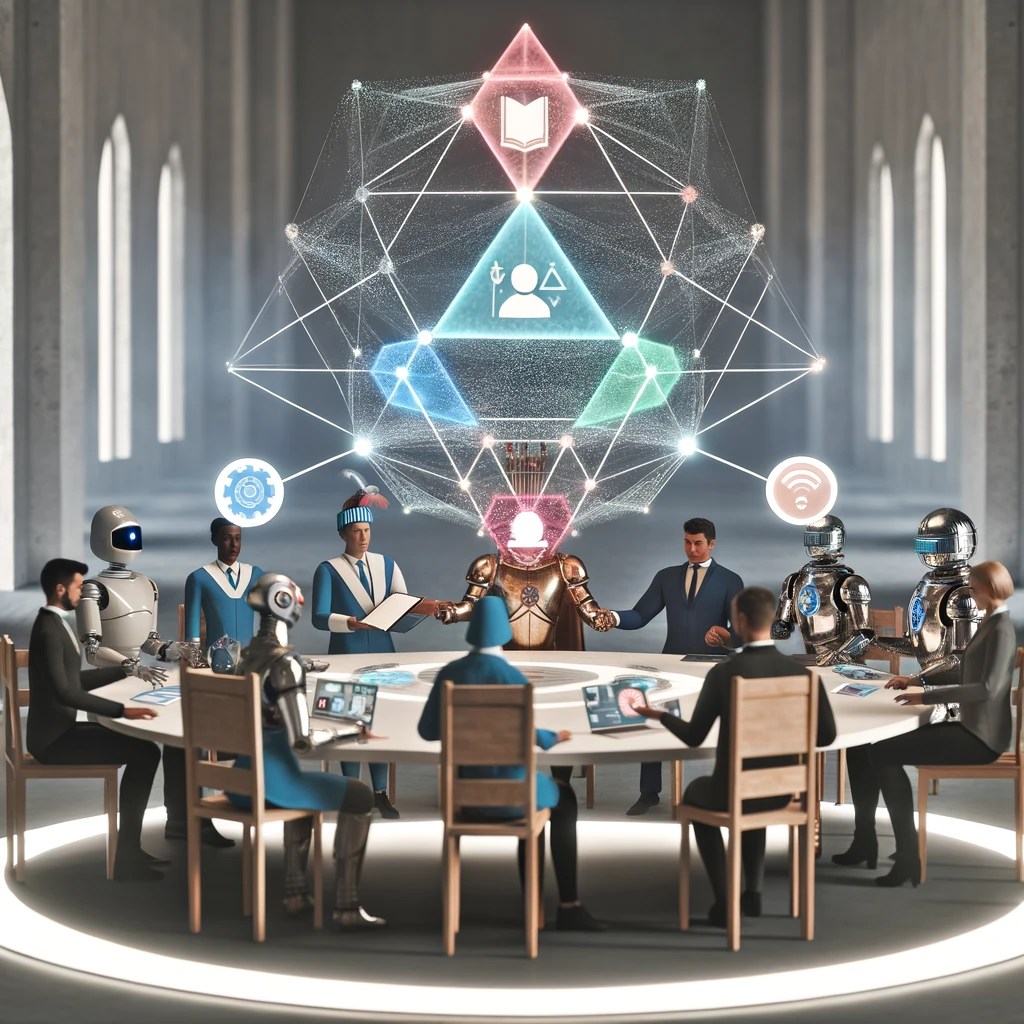
As reflected on our About Us page, the AI in PI organization serves five main purposes. Through its ecosystem, it provides opportunities in the following areas:
- Working groups to explore how we can leverage AI and related technologies to improve the efficiency, accuracy, and effectiveness of PI practice.
- Subgroups around specific PI practices areas such as Mass Torts.
- Subgroups also delve into specific areas like records retrieval and review; written discovery; depositions; trial; alternative dispute resolution; client engagement/management; and lien resolution.
- Collaborations to identify, evaluate, and report on available technologies, and to drive new technologies as needed.
- Members are working with AI in their respective organizations. They bring their experiences to roundtables to discuss lessons learned and share emerging opportunities.
- Some members choose to pair up to drive existing technology, or to develop new technology to better serve their clients and organizations. Spin-off products, services, investments, and ventures emerge from this work.
- The organization harnesses its unique ChatGPTs, including Mass Tort Legal Insight available on OpenAI and Nursing Home Litigators and Trial Counsel also available on OpenAI.
- Educational opportunities to learn about AI, its uses, risks, and benefits from webinars to an annual event.
- Hosting tech talks and tech showcases to present cutting-edge technology and provide opportunities for firms and emerging companies to partner.
- Members form pods or subunits to share work product and data via system integrations and other collaborations.
- Publishing white papers, reports, templates, protocols, and other publications and presentations to facilitate responsible use of AI in PI and educate the community.
- From basics to more advanced topics, the group will provide diverse, substantive learning opportunities for members and the broader community.
- Leveraging generative AI and analytics will allow the group to share lessons learned, best practices, and other substantive work product to help serve clients better over time.
- Developing relationships with existing organizations to support their missions.
- Sharing data and other resources to leverage contract-based staffing, specialty services; to deploy SOPs, automate workflows, and client-centered templates to reduce administrative and labor burdens; and to identify and share new litigations and clients.
- Over time, members will form pods or subunits to share work product and data via system integrations and other collaborations.
- Data will help identify potential new clients and new litigations, and connect potential clients and joint venture partners.
- Members will share protocols, best practices for internal workflows, and templates.


